Jeffrey Hull
Friday, April 29, 2005
The Lark and the Sparrow
As all things that have been shall be,
As pass all things to come;
As day ne'er sets upon the sea
Reigns ever night for some.
As heavens wheel above the Earth,
Eternal light and dark,
We mimic 'twixt our death and birth
The sparrow and the lark.
Her colors dull, her chirping plain
In constant quest for food
The sparrow strives in sun and rain
To rear her little brood,
While lark exultant on her wings
Sings songs of joy and love
To shame the tunes of courts and kings
And ring the clouds above.
Now like the sparrow, 'til we die,
We toil as Life has willed,
Our labors ‘neath the arching sky
To clothe, and feed, and build.
Still, through our toils, we raise our voice
Although we know our fate,
Unlike the lark — yet we rejoice
As life we celebrate!
© 2005 Jeffrey Hull
As all things that have been shall be,
As pass all things to come;
As day ne'er sets upon the sea
Reigns ever night for some.
As heavens wheel above the Earth,
Eternal light and dark,
We mimic 'twixt our death and birth
The sparrow and the lark.
Her colors dull, her chirping plain
In constant quest for food
The sparrow strives in sun and rain
To rear her little brood,
While lark exultant on her wings
Sings songs of joy and love
To shame the tunes of courts and kings
And ring the clouds above.
Now like the sparrow, 'til we die,
We toil as Life has willed,
Our labors ‘neath the arching sky
To clothe, and feed, and build.
Still, through our toils, we raise our voice
Although we know our fate,
Unlike the lark — yet we rejoice
As life we celebrate!
© 2005 Jeffrey Hull


Friday, April 22, 2005
Lion in Winter
A boyish love's a campfire
Of twigs and tinder moss;
Tempestuous desire,
And blind to certain loss.
By burning bright, if briefly,
Love hints of what can be;
And that's its function chiefly —
If only youth could see!
A full grown love's the boiler
That powers life on earth.
To love's end man's a toiler,
And service marks his worth:
Man harnesses his passion
To pull the plows of life,
A better world to fashion
For daughter, son and wife.
An old man's love's the fire
That's banked against the night,
The memory of desire
In fading winter light.
His cherished recollections,
The fruit of love's sweet vine,
Are purged of imperfections
And savored like fine wine.
Now, all love has its season
And plays its role in each;
Experience, not reason,
Must love's great lessons teach.
Now I approach my winter,
For me, the seasons turn;
A walker, not a sprinter —
But my fires still do burn.
© 2005 Jeffrey Hull
A boyish love's a campfire
Of twigs and tinder moss;
Tempestuous desire,
And blind to certain loss.
By burning bright, if briefly,
Love hints of what can be;
And that's its function chiefly —
If only youth could see!
A full grown love's the boiler
That powers life on earth.
To love's end man's a toiler,
And service marks his worth:
Man harnesses his passion
To pull the plows of life,
A better world to fashion
For daughter, son and wife.
An old man's love's the fire
That's banked against the night,
The memory of desire
In fading winter light.
His cherished recollections,
The fruit of love's sweet vine,
Are purged of imperfections
And savored like fine wine.
Now, all love has its season
And plays its role in each;
Experience, not reason,
Must love's great lessons teach.
Now I approach my winter,
For me, the seasons turn;
A walker, not a sprinter —
But my fires still do burn.
© 2005 Jeffrey Hull
Friday, April 15, 2005
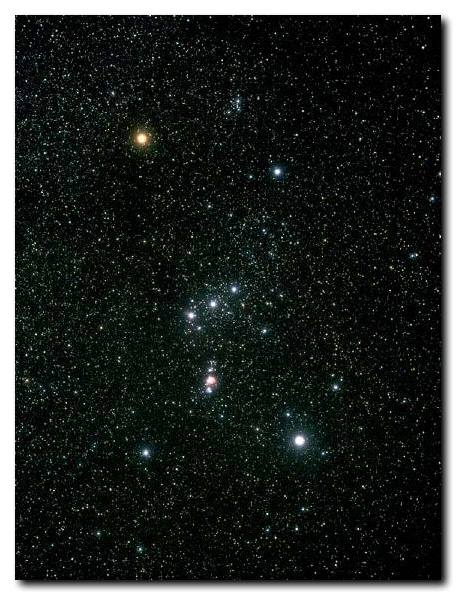
Constellations
They were dammin' up the river
They were floodin' all our land
And Momma, God forgive her
She just couldn't make a stand.
When Poppa died my Momma
Didn't know just what to do;
And with period and comma
They took my mother, too.
She died late on a Sunday
Of a stroke, as Doc allowed,
And we buried her on Monday
In a bedsheet winding shroud;
By the rose and honeysuckle,
That's where she and Poppa lie–
And they watch Orion's buckle
When he climbs the winter sky,
The way that Poppa taught us
'Bout the Greeks and all their kin
From a ragged book he brought us
From the Goodwill cast-off bin.
With their legal condemnations
Ain't no use to make a fuss,
And they don't name constellations
After simple folk like us.
© 2005 Jeffrey Hull
Friday, April 08, 2005
I Saw Three Ships
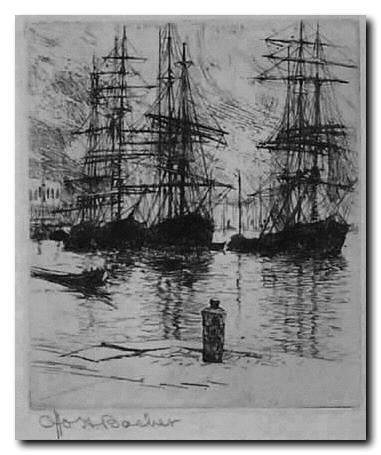
Three Ships, Otto Henry Bacher, 1880
I saw three ships that sailed away
Beneath a leaden sky,
Their helms hard set for far Cathay,
Their decks I could descry;
Upon the prow of every ship
Was carved a maiden fair,
Beclothed in but a wispy slip
With flowing flaxen hair.
And in the rigging of each mast
There clambered jolly crew
Who filled the yards, full sail at last,
And trimmed each tack and clew.
The ships rode high upon the foam
As proud they slipped the quay
And eased the ebb away from home
For lands of mystery.
The rising moon full round and bright
As beaten silver gleams,
While night by night in faerie light
These ships sail through my dreams.
Far off spy I for vessels three —
Might they appear one day?
But mostly I gaze out to sea
And long to sail away.
© 2005 Jeffrey Hull
Three Ships, Otto Henry Bacher, 1880
I saw three ships that sailed away
Beneath a leaden sky,
Their helms hard set for far Cathay,
Their decks I could descry;
Upon the prow of every ship
Was carved a maiden fair,
Beclothed in but a wispy slip
With flowing flaxen hair.
And in the rigging of each mast
There clambered jolly crew
Who filled the yards, full sail at last,
And trimmed each tack and clew.
The ships rode high upon the foam
As proud they slipped the quay
And eased the ebb away from home
For lands of mystery.
The rising moon full round and bright
As beaten silver gleams,
While night by night in faerie light
These ships sail through my dreams.
Far off spy I for vessels three —
Might they appear one day?
But mostly I gaze out to sea
And long to sail away.
© 2005 Jeffrey Hull
Sunday, April 03, 2005
Twenty-one Grams
The soul of a man weighs hardly a thing,
Just twenty-one grams, it is said:
The weight of the spirit that finally takes wing
And leaves us the instant we're dead.
The weight of a hummingbird flees at our death,
A stack of five nickels or so;
It's wafted away on our ultimate breath,
And wings to its bliss or its woe.
Theresa’s sad spirit weighed slightly less,
Or somehow John Paul's soul weighed more?
Or won’t a kind Father then equally bless
All children who come to His door?
If cripples have souls that equal in weight
The soul of a pope, we averred,
Dare we conclude equal worth is innate:
Humanity makes this inferred?
Just how we care for the sick and the lame
Defines us for ill or for good.
Brain-damaged woman, or a person of fame:
We care for them both, or we should.
© 2005 Jeffrey Hull
The soul of a man weighs hardly a thing,
Just twenty-one grams, it is said:
The weight of the spirit that finally takes wing
And leaves us the instant we're dead.
The weight of a hummingbird flees at our death,
A stack of five nickels or so;
It's wafted away on our ultimate breath,
And wings to its bliss or its woe.
Theresa’s sad spirit weighed slightly less,
Or somehow John Paul's soul weighed more?
Or won’t a kind Father then equally bless
All children who come to His door?
If cripples have souls that equal in weight
The soul of a pope, we averred,
Dare we conclude equal worth is innate:
Humanity makes this inferred?
Just how we care for the sick and the lame
Defines us for ill or for good.
Brain-damaged woman, or a person of fame:
We care for them both, or we should.
© 2005 Jeffrey Hull
Friday, April 01, 2005
The Cheetah
The cheetah eyes potential prey
Her ruthless economic way:
She cannot catch them all she knows,
So marks the slow and targets those.
Though sure of foot and fleet as wind
She knows she must be disciplined;
A slinking stalk — a sprint! and then
Return in triumph to her den.
As I have aged I've come to see
The wisdom of economy
In matters of the purse or pen:
What works for cheetahs, works for men.
When seeking bargains, this is prime:
Await your price, and bide your time.
Your budget vigilantly guard,
And pay in cash — avoid the card!
And choose a topic with an eye
That lets a hundred more go by;
And anything you write about
Is oft best served by that left out.
So like the cheetah, check your pace
Until it's time to run the race,
As nature shows the way for men
To take control of life again.
© 2005 Jeffrey Hull
The cheetah eyes potential prey
Her ruthless economic way:
She cannot catch them all she knows,
So marks the slow and targets those.
Though sure of foot and fleet as wind
She knows she must be disciplined;
A slinking stalk — a sprint! and then
Return in triumph to her den.
As I have aged I've come to see
The wisdom of economy
In matters of the purse or pen:
What works for cheetahs, works for men.
When seeking bargains, this is prime:
Await your price, and bide your time.
Your budget vigilantly guard,
And pay in cash — avoid the card!
And choose a topic with an eye
That lets a hundred more go by;
And anything you write about
Is oft best served by that left out.
So like the cheetah, check your pace
Until it's time to run the race,
As nature shows the way for men
To take control of life again.
© 2005 Jeffrey Hull
Friday, March 25, 2005
Half Magic
There was a boy who found a magic coin,
An elfin charm which granted one's desire,
But to this boon a devilish quirk did join:
It granted half, but not the wish entire.
He wished himself a tropic desert isle
And straightway found himself on lonely land —
But searched in vain for water, all the while
Around him lay a sea of burning sand.
And wishing for a trove of coins of gold
Brought only sacks of fake doubloons of lead;
Whatever thing he wished for, I am told,
He got the lesser part of it instead.
It came to pass I found that selfsame charm.
I made my fervent wish to win your heart,
And half of your resistance did disarm —
But now it seems I won the colder part.
© 2005 Jeffrey Hull
There was a boy who found a magic coin,
An elfin charm which granted one's desire,
But to this boon a devilish quirk did join:
It granted half, but not the wish entire.
He wished himself a tropic desert isle
And straightway found himself on lonely land —
But searched in vain for water, all the while
Around him lay a sea of burning sand.
And wishing for a trove of coins of gold
Brought only sacks of fake doubloons of lead;
Whatever thing he wished for, I am told,
He got the lesser part of it instead.
It came to pass I found that selfsame charm.
I made my fervent wish to win your heart,
And half of your resistance did disarm —
But now it seems I won the colder part.
© 2005 Jeffrey Hull
Tuesday, March 22, 2005
Theresa Marie
Whose heart is this that beats within a breast
Grown thin, these years of sad reclining night?
Whose lungs are these, that breathe at whose behest,
Whose eyes gaze forth with eerie distant sight?
If dwells a soul behind that roving eye,
It apprehends what purpose in this twist,
That now a soul's required to supply
Some justifying reason to exist?
But if this body sleeps, and suffers not,
What earthly law or heavenly command
Demands it should now bear starvation's lot,
The seal of life or death a wedding band?
For if it now be Mercy's mark to kill —
God help us when the Devil gives his bill.
© 2005 Jeffrey Hull
Whose heart is this that beats within a breast
Grown thin, these years of sad reclining night?
Whose lungs are these, that breathe at whose behest,
Whose eyes gaze forth with eerie distant sight?
If dwells a soul behind that roving eye,
It apprehends what purpose in this twist,
That now a soul's required to supply
Some justifying reason to exist?
But if this body sleeps, and suffers not,
What earthly law or heavenly command
Demands it should now bear starvation's lot,
The seal of life or death a wedding band?
For if it now be Mercy's mark to kill —
God help us when the Devil gives his bill.
© 2005 Jeffrey Hull
Friday, March 18, 2005
Sunday Drive
The Tennessee is winter level low,
And worn old stumps from New Deal days poke through
The dirty flats of mud that stretch below
The bridge and out across the river slough.
The sallow clouds slouch drooping in their place
Above the fallow fields that silent doze,
A three day beard of stubble on the face
Of land bedecked in threadbare winter clothes.
At last, the place where rows of marble trees
An orchard make, where rests a little boy
Who early sleeps, whose eye no longer sees,
Whose mother's heart has passed from earthly joy.
So many pitfalls lurk! Astride their bikes,
Or by the water's edge, dark forces wait
In deadly ambush for the carefree tykes
So gently drawn too close, and snatched by fate.
The preacher said, God purified his sin
Baptismally, but thinking back of him
The only fault we could surmise within
Was maybe that at three, he could not swim.
And so he sleeps beneath the gray-hung sky
Awaiting with the land the coming spring
And promised resurrection by and by —
Beyond all longing, guilt, and sorrowing.
© 2005 Jeffrey Hull
The Tennessee is winter level low,
And worn old stumps from New Deal days poke through
The dirty flats of mud that stretch below
The bridge and out across the river slough.
The sallow clouds slouch drooping in their place
Above the fallow fields that silent doze,
A three day beard of stubble on the face
Of land bedecked in threadbare winter clothes.
At last, the place where rows of marble trees
An orchard make, where rests a little boy
Who early sleeps, whose eye no longer sees,
Whose mother's heart has passed from earthly joy.
So many pitfalls lurk! Astride their bikes,
Or by the water's edge, dark forces wait
In deadly ambush for the carefree tykes
So gently drawn too close, and snatched by fate.
The preacher said, God purified his sin
Baptismally, but thinking back of him
The only fault we could surmise within
Was maybe that at three, he could not swim.
And so he sleeps beneath the gray-hung sky
Awaiting with the land the coming spring
And promised resurrection by and by —
Beyond all longing, guilt, and sorrowing.
© 2005 Jeffrey Hull
Tuesday, March 15, 2005
Communication
What are you saying?
Now I must go.
Heartless betraying!
What do I owe?
Why did you flirt so?
Fire burns hot.
Why does it hurt so?
How can it not?
How it will grieve me!
What can I say?
How can you leave me?
How can I stay?
© 2005 Jeffrey Hull
Rich Cohen overheard snatches of a conversation next door and surmised what was going on. It inspired this short piece, which was a little experiment in meter and spare expression.
One speaker uses one meter: DUH duh duh DUH duh
which ends on an unstressed syllable (a "feminine" ending)
And the other uses a shorter line: DUH duh duh DUH
which ends on a stress (a "masculine" ending, if you will)
So the meter tells us that very clearly that the conversation is between two persons, one of whom is leaving the other. The "swing" to the words almost begs to be set to music as a song lyric, obviously to be sung by a male-female duet.
What are you saying?
Now I must go.
Heartless betraying!
What do I owe?
Why did you flirt so?
Fire burns hot.
Why does it hurt so?
How can it not?
How it will grieve me!
What can I say?
How can you leave me?
How can I stay?
© 2005 Jeffrey Hull
Rich Cohen overheard snatches of a conversation next door and surmised what was going on. It inspired this short piece, which was a little experiment in meter and spare expression.
One speaker uses one meter: DUH duh duh DUH duh
which ends on an unstressed syllable (a "feminine" ending)
And the other uses a shorter line: DUH duh duh DUH
which ends on a stress (a "masculine" ending, if you will)
So the meter tells us that very clearly that the conversation is between two persons, one of whom is leaving the other. The "swing" to the words almost begs to be set to music as a song lyric, obviously to be sung by a male-female duet.
Friday, March 11, 2005
Boatbuilding and Life
A reflection on parallels in life.
I Once Built Boats
I once built boats to pass the time
Or better said, the boats built me;
At workday's end aboard I'd climb,
In quiet backyard reverie.
The boat erect on sawhorse stood,
The object dear of all my toils;
The curling hiss of plane on wood
Dropped fragrant heaps of fresh-cut coils
And humming bandsaw coaxed from wood
The complex shapes that make a boat,
To fit exactly as they should,
And strike the proper shipshape note.
And sometimes in the quiet night
I'd stop to savor every curve
By hand or eye in pure delight
That beauty can such function serve,
And piece by piece the form emerged
From nails and clamps and glue and wood,
As character and work converged
To form my life for ill or good.
For every life and every boat
Are children of our dreams at play,
And life well-lived or craft afloat
Is never built in just a day.
© 2005 Jeffrey Hull
I Once Built Boats
I once built boats to pass the time
Or better said, the boats built me;
At workday's end aboard I'd climb,
In quiet backyard reverie.
The boat erect on sawhorse stood,
The object dear of all my toils;
The curling hiss of plane on wood
Dropped fragrant heaps of fresh-cut coils
And humming bandsaw coaxed from wood
The complex shapes that make a boat,
To fit exactly as they should,
And strike the proper shipshape note.
And sometimes in the quiet night
I'd stop to savor every curve
By hand or eye in pure delight
That beauty can such function serve,
And piece by piece the form emerged
From nails and clamps and glue and wood,
As character and work converged
To form my life for ill or good.
For every life and every boat
Are children of our dreams at play,
And life well-lived or craft afloat
Is never built in just a day.
© 2005 Jeffrey Hull
Tuesday, March 08, 2005
In Memoriam
On a more serious note, a reflection on insensitivity and unthinking cruelty.
In Memoriam
Can't quite remember him or who he was,
That face now missing that we scarce recall;
We'll say, "Let’s send a card," though no one does,
And no one gives his family a call ...
Or was he even married? Is there a wife,
Or better put, a widow who's bereaved,
Or anyone at all who mourns this life
That desperate anonymity achieved?
His spirit slipped dimensionless between
The atoms of our adamantine hearts;
He passed, and like some spectre was unseen
And missed no more than when a cloud departs.
His loneliness he must have learned to numb;
I know if I were he that it would gall
To see us toss his memory a crumb:
It's best we not remember him at all.
© 2005 Jeffrey Hull
In Memoriam
Can't quite remember him or who he was,
That face now missing that we scarce recall;
We'll say, "Let’s send a card," though no one does,
And no one gives his family a call ...
Or was he even married? Is there a wife,
Or better put, a widow who's bereaved,
Or anyone at all who mourns this life
That desperate anonymity achieved?
His spirit slipped dimensionless between
The atoms of our adamantine hearts;
He passed, and like some spectre was unseen
And missed no more than when a cloud departs.
His loneliness he must have learned to numb;
I know if I were he that it would gall
To see us toss his memory a crumb:
It's best we not remember him at all.
© 2005 Jeffrey Hull
Friday, March 04, 2005
This one is a favorite with the girls in the office. A lighter tone to kick off a good weekend.
Garage Sale
I'm holding a garage sale in my heart:
I'm marking down, and everything must go.
Just make a bid at my Emotion Mart—
My maudlin mopes will get the old heave-ho.
Some someone that I knew has hit the road
And cleaned out half the stuff in this old chest;
Since what remains will likely just corrode
It makes more sense to sell off all the rest.
Then maybe when the place is emptied out
I’ll decorate again in other hues,
And paper over scars—no need to pout
About the way we all must pay love’s dues.
Affections barely worn can be reused
For découpaging hearts, or macramé;
No reasonable cash or trade refused,
So stop by any time, we're here all day.
© 2005 Jeffrey Hull
Garage Sale
I'm holding a garage sale in my heart:
I'm marking down, and everything must go.
Just make a bid at my Emotion Mart—
My maudlin mopes will get the old heave-ho.
Some someone that I knew has hit the road
And cleaned out half the stuff in this old chest;
Since what remains will likely just corrode
It makes more sense to sell off all the rest.
Then maybe when the place is emptied out
I’ll decorate again in other hues,
And paper over scars—no need to pout
About the way we all must pay love’s dues.
Affections barely worn can be reused
For découpaging hearts, or macramé;
No reasonable cash or trade refused,
So stop by any time, we're here all day.
© 2005 Jeffrey Hull
Tuesday, March 01, 2005
Statute of Limitations
A midweek post. This was inspired by an essay in Gordon Livingston's book, Too Soon Old, Too Late Smart. The title fits me to a "T," for sure. A recommended book for seekers of happiness. The subtitle, "Thirty True Things You Need to Know Now," is apropos.
Statute of Limitations
The statute long ago expired
On most parental perfidies
Which in our childhoods have transpired—
In teenage years—especially these.
And time has likewise run on that
Which happened long ago in love;
Don't perch on ancient slight or spat
Like some offended mourning dove.
Let go of things you cannot change:
The moving finger long since wrote.
Things done refuse to rearrange—
Your efforts ring a sour note.
To live in some disgruntled past
Of real or fancied former wrong
Crowds out good memories that last,
And better in the heart belong.
© 2005 Jeffrey Hull
Statute of Limitations
The statute long ago expired
On most parental perfidies
Which in our childhoods have transpired—
In teenage years—especially these.
And time has likewise run on that
Which happened long ago in love;
Don't perch on ancient slight or spat
Like some offended mourning dove.
Let go of things you cannot change:
The moving finger long since wrote.
Things done refuse to rearrange—
Your efforts ring a sour note.
To live in some disgruntled past
Of real or fancied former wrong
Crowds out good memories that last,
And better in the heart belong.
© 2005 Jeffrey Hull
Friday, February 25, 2005
I Stood upon the Sky
I stood upon the sky and did not fall,
I walked beneath the sea and yet had breath;
I sailed past deadly rock and Sirens' call,
Marched by the Gates of Hell and laughed at Death.
I took up red hot iron and was not burned,
Lay long upon the rack that broke me not;
Though burning desert parched, all water spurned,
Endured so long that Time itself forgot.
And in Time's measure, fell again to earth,
By water, rack, and iron broken then,
'Til soul-despairing, wept for my sad birth;
And by a word from you — reborn again.
© 2005 Jeffrey Hull
I stood upon the sky and did not fall,
I walked beneath the sea and yet had breath;
I sailed past deadly rock and Sirens' call,
Marched by the Gates of Hell and laughed at Death.
I took up red hot iron and was not burned,
Lay long upon the rack that broke me not;
Though burning desert parched, all water spurned,
Endured so long that Time itself forgot.
And in Time's measure, fell again to earth,
By water, rack, and iron broken then,
'Til soul-despairing, wept for my sad birth;
And by a word from you — reborn again.
© 2005 Jeffrey Hull
Saturday, February 19, 2005
The Coin
The face a woman, goddess fair, her hair
Bound back, imperial, her gaze aloof,
With flowing gauzes gowned, as Vestals wear,
Their sacred modesty beyond reproof;
This golden coin was always by his breast,
Suspended from his memory's silver chain.
His life was by this token ever blest,
With well remembered love, forgotten pain,
'Til standing then at last upon the shore
Where Charon, oarsman grim, demands his piece
The new-made shade can smile; she gave him more
Than ever she could know, and now, release.
His body gone, a spirit now afloat
He yields the coin, and steps into the boat.
© 2005 Jeffrey Hull
The face a woman, goddess fair, her hair
Bound back, imperial, her gaze aloof,
With flowing gauzes gowned, as Vestals wear,
Their sacred modesty beyond reproof;
This golden coin was always by his breast,
Suspended from his memory's silver chain.
His life was by this token ever blest,
With well remembered love, forgotten pain,
'Til standing then at last upon the shore
Where Charon, oarsman grim, demands his piece
The new-made shade can smile; she gave him more
Than ever she could know, and now, release.
His body gone, a spirit now afloat
He yields the coin, and steps into the boat.
© 2005 Jeffrey Hull
Tuesday, February 15, 2005
The Texas state flower is the bluebonnet (Lupinus texensis), which blooms this time of year along the roadsides and astride the Interstate highway medians. If you have not seen the vistas of blue (often with interspersed patches of red Indian Paintbrush (Castilleja indivisa), then you haven't really seen Texas.
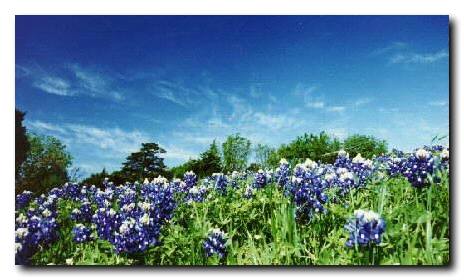
Bluebonnets
My clan had New World roots two hundred years
Before a nation rose upon that land
That lay so tempting on the west frontiers
Beyond Sabine and north from Rio Grande.
One hundred thirty more would pass before
The fates would lead us west to stake small claim
To mythic lands and legends bought by war,
With tales of Bowie's death and Houston's fame.
But now those open plains and dusty hills
Are crossed with concrete, cables and such signs
As dreary uniformity instills
In everything that modern life defines —
But every spring the azure lupins dance
Rekindling then that Texas-style romance.
© 2005 Jeffrey Hull
Bluebonnets
My clan had New World roots two hundred years
Before a nation rose upon that land
That lay so tempting on the west frontiers
Beyond Sabine and north from Rio Grande.
One hundred thirty more would pass before
The fates would lead us west to stake small claim
To mythic lands and legends bought by war,
With tales of Bowie's death and Houston's fame.
But now those open plains and dusty hills
Are crossed with concrete, cables and such signs
As dreary uniformity instills
In everything that modern life defines —
But every spring the azure lupins dance
Rekindling then that Texas-style romance.
© 2005 Jeffrey Hull
Friday, February 11, 2005
The Bees
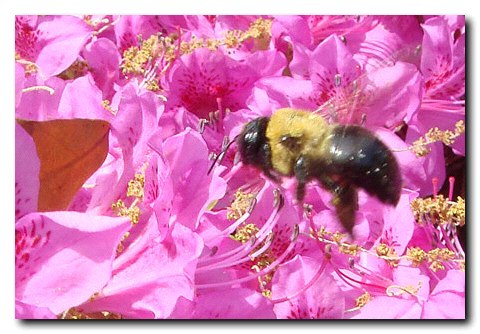
© 2007 Glen Reynolds All rights reserved.
In the lee of the lea,
The brazen bumblebees
Drink from dipping flower fountains 'til they're dry.
In the dappled shadow shade
Tiny bombers bold arrayed
Target buttercups and clover as they fly,
Then they pounce like bantam panthers
On the stigmas, styles and anthers,
Little barons of the golden trade they ply.
Then it's home to hive and ground
There to dance of what they've found
Abroad the meadow 'neath the blessing sky.
© 2005 Jeffrey Hull
Tuesday, February 08, 2005
Richard Lawrence Cohen began this piece on the visible suffering of the aged Pope this way:
"In deep winter he continues his work of suffering, in full view, so that the world can know this aspect of God."
I was moved to write this sonnet:
The Pope in Infirmity
In bygone times the Pope could be a man
With vigor still, whom age had not yet bowed,
Pursuing ardors less basilican,
Of schemes and wars and other furrows ploughed.
Today the cardinals choose their Father from
Their own decrepit ranks; an aged priest,
The Holy Father to his throne will come
A man betimes already half-deceased.
And thus pressed down by burden of his years
And trials of spirit and the body's pains
The Church's Father takes his yoke of tears
And Christian labor, and his flock sustains,
'Til salving Death shall come to Peter's dome
And there an old man gently carry home.
© 2005 Jeffrey Hull
"In deep winter he continues his work of suffering, in full view, so that the world can know this aspect of God."
I was moved to write this sonnet:
The Pope in Infirmity
In bygone times the Pope could be a man
With vigor still, whom age had not yet bowed,
Pursuing ardors less basilican,
Of schemes and wars and other furrows ploughed.
Today the cardinals choose their Father from
Their own decrepit ranks; an aged priest,
The Holy Father to his throne will come
A man betimes already half-deceased.
And thus pressed down by burden of his years
And trials of spirit and the body's pains
The Church's Father takes his yoke of tears
And Christian labor, and his flock sustains,
'Til salving Death shall come to Peter's dome
And there an old man gently carry home.
© 2005 Jeffrey Hull
Monday, February 07, 2005
The Greeter
Here is a minor piece posted ahead of the "regular schedule." An extra.
Richard Lawrence Cohen questioned why the greeter ignored him the other day. My thoughts. By following the link, one can see my further comments/analysis.
The Greeter
“Why did she not greet me?”
Sotto voce he did say,
As he hurried by the greeter
At the WalMart door that day.
“I know that she could see me,
And since it is her task
Most neighborly to hail me,
Why not? is what I ask.”
“Is it my demeanor?
Is it how I'm dressed?
Is it my religion?”
The man was most distressed.
An old man with a walker
Whom age had left the worst
Looked him in the eye and said:
“Next time, you greet her first.”
© 2005 Jeffrey Hull
Richard Lawrence Cohen questioned why the greeter ignored him the other day. My thoughts. By following the link, one can see my further comments/analysis.
The Greeter
“Why did she not greet me?”
Sotto voce he did say,
As he hurried by the greeter
At the WalMart door that day.
“I know that she could see me,
And since it is her task
Most neighborly to hail me,
Why not? is what I ask.”
“Is it my demeanor?
Is it how I'm dressed?
Is it my religion?”
The man was most distressed.
An old man with a walker
Whom age had left the worst
Looked him in the eye and said:
“Next time, you greet her first.”
© 2005 Jeffrey Hull
Friday, February 04, 2005
Merlin
I draw the bow of reckoning
And arrow of decision,
With target ever beckoning
The arrow's cruel precision.
I strike the bell of time and space
Through all the ages tolling,
As o'er this place with wispy grace
The faery clouds are rolling.
I say the charm that charms all charms,
Call forth the dragon's breathing:
The spell of sleep that harm disarms,
Enchanted sight bequeathing.
The days are dark from mount to strand,
The ranks of knights are thinning;
The king and land together stand
As was from time beginning.
As will the new, the old ways die
And dreams remain unwritten,
And by and by, both hip and thigh,
Unrighteous men are smitten.
The bow of reckoning is drawn,
The bell of time is pealing;
All knights are pawns as sure as dawn
With souls in need of healing.
The knight will fail who seeks his Grail
Devoid of heart's perfection;
The quest unveils in each detail
A spirit's base abjection.
But on the stones and in our bones
This truth in bold inscription:
"He ne'er disowns him who atones
And follows His prescription."
© 2005 Jeffrey Hull
And arrow of decision,
With target ever beckoning
The arrow's cruel precision.
I strike the bell of time and space
Through all the ages tolling,
As o'er this place with wispy grace
The faery clouds are rolling.
I say the charm that charms all charms,
Call forth the dragon's breathing:
The spell of sleep that harm disarms,
Enchanted sight bequeathing.
The days are dark from mount to strand,
The ranks of knights are thinning;
The king and land together stand
As was from time beginning.
As will the new, the old ways die
And dreams remain unwritten,
And by and by, both hip and thigh,
Unrighteous men are smitten.
The bow of reckoning is drawn,
The bell of time is pealing;
All knights are pawns as sure as dawn
With souls in need of healing.
The knight will fail who seeks his Grail
Devoid of heart's perfection;
The quest unveils in each detail
A spirit's base abjection.
But on the stones and in our bones
This truth in bold inscription:
"He ne'er disowns him who atones
And follows His prescription."
© 2005 Jeffrey Hull
Sunday, January 30, 2005
Road Gang
Orange-suited convicts by the highway side
In penance bound to County or to State
See to it that the road is beautified.
They walk in line, but are they going straight?
Who are these men, what stories could they tell
About their blunted lives, what crimes relate?
Child nonsupport, and petty theft as well—
More daring outlaw exploits: bogus checks,
And barroom fights that wake up in a cell;
Their misdemeanor stories quite complex,
The convicts weave Homeric tales sublime:
Assaults on wives, and drunken auto wrecks.
Exciting lives! And will they use this time
To introspect a narrow fractured soul
And flee the dreary world of petty crime?
Let leading lights of social work cajole,
They might forswear their rowdy natures, but
More likely, simply wait upon parole.
And so they slouch along, sans jailhouse strut
And load their sacks with trash at leisure pace;
They see but yet the inner eye is shut.
© 2005 Jeffrey Hull
Orange-suited convicts by the highway side
In penance bound to County or to State
See to it that the road is beautified.
They walk in line, but are they going straight?
Who are these men, what stories could they tell
About their blunted lives, what crimes relate?
Child nonsupport, and petty theft as well—
More daring outlaw exploits: bogus checks,
And barroom fights that wake up in a cell;
Their misdemeanor stories quite complex,
The convicts weave Homeric tales sublime:
Assaults on wives, and drunken auto wrecks.
Exciting lives! And will they use this time
To introspect a narrow fractured soul
And flee the dreary world of petty crime?
Let leading lights of social work cajole,
They might forswear their rowdy natures, but
More likely, simply wait upon parole.
And so they slouch along, sans jailhouse strut
And load their sacks with trash at leisure pace;
They see but yet the inner eye is shut.
© 2005 Jeffrey Hull
Thursday, January 27, 2005
The man in the mirror ...
Reflections on, well, reflections.
Achilles
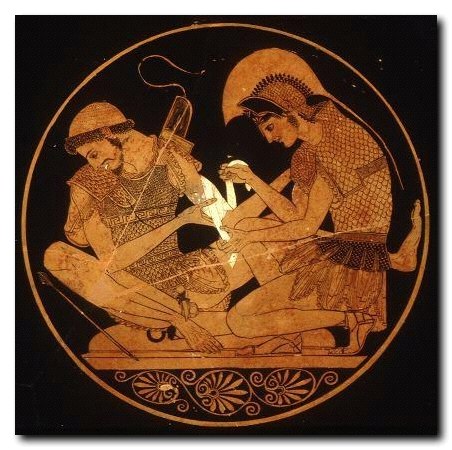
Achilles would not see old age nor wife,
His sea-nymph mother Thetis had foretold;
The choice was storied glory or long life,
And fame was far more dear than growing old.
Undying life, to be forever free
Of earthly bonds of body, time and space:
To break those ties and live in memory,
A tale three thousand years could not efface.
But mortal I obediently stand
Before this cold-eyed mirror every day
And note how little worked out as I planned,
And idly note my body's slow decay.
But if Achilles lived, he lived not so—
And I've got this to do, and there to go.
© 2005 Jeffrey Hull
Achilles
Achilles would not see old age nor wife,
His sea-nymph mother Thetis had foretold;
The choice was storied glory or long life,
And fame was far more dear than growing old.
Undying life, to be forever free
Of earthly bonds of body, time and space:
To break those ties and live in memory,
A tale three thousand years could not efface.
But mortal I obediently stand
Before this cold-eyed mirror every day
And note how little worked out as I planned,
And idly note my body's slow decay.
But if Achilles lived, he lived not so—
And I've got this to do, and there to go.
© 2005 Jeffrey Hull
Sunday, January 23, 2005
Mt. Bonnell - Austin, Texas circa 1965
Mt. Bonnell is a locally famous low mountain overlook in Austin, Texas, where I went to college lo these many years ago. To one side is the vista of Austin, which lies sparkling in the night in my memory, to the other is Lake Travis and the Texas hill country. Richard Lawrence Cohen, who lives in Austin, inspired me to write this piece. It is a sonnet with a "turn" that comes late and "jerks up short."
Mt. Bonnell
Don't know Montana sky, but it was big
That morning up on Austin's Mt. Bonnell;
A train horn sang, a big six engine rig,
A melancholy four a.m. farewell.
The air was spooky clear, those summer nights;
The heavens hung a cooly violet screen
Contrasting the cascade of city lights
Down boulevard and avenue serene.
And how the Earth was still! or so it seemed
That time slowed down across the sleepy land
So we could snatch a moment as it streamed
Below our unassuming prospect, and
Half-listening to the story you were weaving
I almost missed the news that you were leaving.
© 2005 Jeffrey Hull
Mt. Bonnell
Don't know Montana sky, but it was big
That morning up on Austin's Mt. Bonnell;
A train horn sang, a big six engine rig,
A melancholy four a.m. farewell.
The air was spooky clear, those summer nights;
The heavens hung a cooly violet screen
Contrasting the cascade of city lights
Down boulevard and avenue serene.
And how the Earth was still! or so it seemed
That time slowed down across the sleepy land
So we could snatch a moment as it streamed
Below our unassuming prospect, and
Half-listening to the story you were weaving
I almost missed the news that you were leaving.
© 2005 Jeffrey Hull
Friday, January 21, 2005
I'm the Boss
There is no doubt about who wears the pants in my family.
Hegemony
My wife and I, we have a deal
And I will put this plainly:
The big decisions fall to me
She chooses small stuff, mainly.
The house, the car, the children's school,
And sundry other trifles
I leave to her—that's her domain—
I choose the hunting rifles.
I choose which table saw to buy,
Ignoring her assessments;
And choosing brokers is my job—
I leave her the investments.
Why, just last spring I was in charge
Of buying the new mower,
She merely refinanced the house
To get the interest lower.
I choose which driving route to take
For family excursion;
Those tales about me getting lost,
Well, that is just her version.
Men: wear the pants, and make the rules—
You’ll find success is rooted
In leaving small things to the wives
For which they're better suited.
© 2005 Jeffrey Hull
Hegemony
My wife and I, we have a deal
And I will put this plainly:
The big decisions fall to me
She chooses small stuff, mainly.
The house, the car, the children's school,
And sundry other trifles
I leave to her—that's her domain—
I choose the hunting rifles.
I choose which table saw to buy,
Ignoring her assessments;
And choosing brokers is my job—
I leave her the investments.
Why, just last spring I was in charge
Of buying the new mower,
She merely refinanced the house
To get the interest lower.
I choose which driving route to take
For family excursion;
Those tales about me getting lost,
Well, that is just her version.
Men: wear the pants, and make the rules—
You’ll find success is rooted
In leaving small things to the wives
For which they're better suited.
© 2005 Jeffrey Hull
Monday, January 17, 2005
Winter Hawk
Another exercise in the sonnet form, this time Shakespearian.
Winter Hawk
A high-perched hawk's unblinking winter gaze
Patrols with sentry eye the ditch and hedge
Where nervous darting mice traverse their maze,
Doomed soldiers of the Somme by forest edge.
An early thaw has called him north too soon;
Against the sullen light upon his wire
He spends a coldly patient afternoon
As mouse awaits the fate of talons dire.
How many times the hawk has northward flown
Slow gliding gyres of flared dihedral flight
To perch upon the forest bishop's throne
Presiding mass in slant cathedral light.
Around the pivot wheel of live and die
The seasons turn as banks the hawk on high.
© 2005 Jeffrey Hull
Winter Hawk
A high-perched hawk's unblinking winter gaze
Patrols with sentry eye the ditch and hedge
Where nervous darting mice traverse their maze,
Doomed soldiers of the Somme by forest edge.
An early thaw has called him north too soon;
Against the sullen light upon his wire
He spends a coldly patient afternoon
As mouse awaits the fate of talons dire.
How many times the hawk has northward flown
Slow gliding gyres of flared dihedral flight
To perch upon the forest bishop's throne
Presiding mass in slant cathedral light.
Around the pivot wheel of live and die
The seasons turn as banks the hawk on high.
© 2005 Jeffrey Hull
Sunday, January 16, 2005
Two Fools
Sometimes we think about things too much in a quest for certainty that is not there. We can become prisoners of our own intellect.
Two Fools
Two fools in disputation stood
Before a crossroads in a wood
As each in turn was heard to say,
"No! No! We go the other way!"
Each man maintained his way was best
For it was shorter than the rest
And named a hundred reasons why
No other road could qualify.
And so the dawn to dusk was spent
In unproductive argument—
Two locked at last, as evening came,
In paralyzing counterclaim.
There came an old man hobbling by;
The fools entreated that he try
Their case and as a judge preside
To help them then and there decide.
The man agreed, but stopped them short
And said, "I know, by your report
That each of you has made a case
With many factors all in place.
"A hundred facts for each, you say,
And neither hundred can outweigh
The other set of valid grounds
That each of you so well propounds.
"Then flip a coin; by random chance
Proceed without a backward glance.
Sometimes it seems to me just so:
The more we think, the less we know."
© 2005 Jeffrey Hull
Two Fools
Two fools in disputation stood
Before a crossroads in a wood
As each in turn was heard to say,
"No! No! We go the other way!"
Each man maintained his way was best
For it was shorter than the rest
And named a hundred reasons why
No other road could qualify.
And so the dawn to dusk was spent
In unproductive argument—
Two locked at last, as evening came,
In paralyzing counterclaim.
There came an old man hobbling by;
The fools entreated that he try
Their case and as a judge preside
To help them then and there decide.
The man agreed, but stopped them short
And said, "I know, by your report
That each of you has made a case
With many factors all in place.
"A hundred facts for each, you say,
And neither hundred can outweigh
The other set of valid grounds
That each of you so well propounds.
"Then flip a coin; by random chance
Proceed without a backward glance.
Sometimes it seems to me just so:
The more we think, the less we know."
© 2005 Jeffrey Hull
Saturday, January 15, 2005
The Wind Upon the Waters
This little piece is meant to be read aloud with a swing, and a bit of an Irish brogue to give it some flavor. The last lines give a hint of what the poem is actually about.
The Wind upon the Waters
O the wind upon the waters makes
The waves upon the sea;
The pounding of the ocean shakes
This heart inside of me.
I stand upon the sandy strand
And dream of days when we
Would stroll the land there hand in hand
And dream of what we'd be.
I planned to be a sailor man
And you'd wait patiently
To spy your man, his features tan,
Come rollin' home to thee.
Regalin' tales of salty whales
We'd stroll along the quay;
I'd furl my sails from ocean gales
And follow you home to tea.
We'd have a lad, I'd be his dad,
And bounce him on my knee,
And seldom sad for times I had
When life was wild and free.
O the wind upon the waters makes
The waves upon the sea;
And the pounding of the ocean breaks
This heart inside of me.
© 2004 Jeffrey Hull
The Wind upon the Waters
O the wind upon the waters makes
The waves upon the sea;
The pounding of the ocean shakes
This heart inside of me.
I stand upon the sandy strand
And dream of days when we
Would stroll the land there hand in hand
And dream of what we'd be.
I planned to be a sailor man
And you'd wait patiently
To spy your man, his features tan,
Come rollin' home to thee.
Regalin' tales of salty whales
We'd stroll along the quay;
I'd furl my sails from ocean gales
And follow you home to tea.
We'd have a lad, I'd be his dad,
And bounce him on my knee,
And seldom sad for times I had
When life was wild and free.
O the wind upon the waters makes
The waves upon the sea;
And the pounding of the ocean breaks
This heart inside of me.
© 2004 Jeffrey Hull
Friday, January 14, 2005
The Baker
This poem is another response piece to a vignette at Richard Lawrence Cohen's site.
It grew and developed from the original inspiration into its own little story.
The Baker
His fingers knead the lump of dough;
He wasn't born a baker, though
His early dreams were filled with smells
Of yeasty rolls and pastry shells.
He never knew exactly why
These dreams recurred, but by and by
For reasons that he could not tell
They crept in daytime thoughts as well.
Mechanic, cook, and last, a clerk
A dull parade of dead-end work;
A listless life, mind half employed
With youthful hopes almost destroyed.
Another day, another what?
He rolled along in life's deep rut
And down the hill of circumstance
Toward death, and never took a chance.
But then one day he passed a store
With vacant windows, dusty floor,
A local phone on home-made sign—
And knew at once, "This place is mine."
He called the owner, signed the lease
And brought forth mop and elbow grease
And dreaming of his sticky buns
He called the bank and borrowed funds.
He pictured tables, checkered cloth,
And steaming coffee, latte froth;
Outside, beneath the awning shade
Girls spreading buns with marmalade,
The shapely curves of iron chair
And giggling laughs on springtime air
With friendly visits now and then
By sober older businessmen.
"Success" for him may never come
The way it is defined by some;
But when he opens up his store
Each morning, and he sweeps the floor,
And kneads the bread, and bakes the rolls
And punches out the doughnut holes—
He practices an honest art
And greets the day with quiet heart.
© 2004 Jeffrey Hull
It grew and developed from the original inspiration into its own little story.
The Baker
His fingers knead the lump of dough;
He wasn't born a baker, though
His early dreams were filled with smells
Of yeasty rolls and pastry shells.
He never knew exactly why
These dreams recurred, but by and by
For reasons that he could not tell
They crept in daytime thoughts as well.
Mechanic, cook, and last, a clerk
A dull parade of dead-end work;
A listless life, mind half employed
With youthful hopes almost destroyed.
Another day, another what?
He rolled along in life's deep rut
And down the hill of circumstance
Toward death, and never took a chance.
But then one day he passed a store
With vacant windows, dusty floor,
A local phone on home-made sign—
And knew at once, "This place is mine."
He called the owner, signed the lease
And brought forth mop and elbow grease
And dreaming of his sticky buns
He called the bank and borrowed funds.
He pictured tables, checkered cloth,
And steaming coffee, latte froth;
Outside, beneath the awning shade
Girls spreading buns with marmalade,
The shapely curves of iron chair
And giggling laughs on springtime air
With friendly visits now and then
By sober older businessmen.
"Success" for him may never come
The way it is defined by some;
But when he opens up his store
Each morning, and he sweeps the floor,
And kneads the bread, and bakes the rolls
And punches out the doughnut holes—
He practices an honest art
And greets the day with quiet heart.
© 2004 Jeffrey Hull
Thursday, January 13, 2005
Time's Arrow
Our journey through this world is a succession of choices which we cannot ever retrace. The arrow of time points only one way.
Time's Arrow
Tomorrow trips in petty pace
From time to time and place to place
Down dim and dirty corridors
Through endless halls of armored doors
That creaking open but reveal
More endless halls of doors of steel
And wand'rings through this maze so vast
Forever lock each door we've passed.
So many paths we could have gone!
Enticed by things that led us on
And turned our heads this way and that
'Til like some laboratory rat
Exhausted in our final days
We reach the end of mortals' maze
And find that the expected cheese
Is more like pain and slow disease.
But there’s no point in tears or wrath
At end of life and end of path;
We can't retrace a single pace
So best to meet our fate with grace.
The consequence of choice we bear,
So choose your doors with utmost care
How many men are heard to say:
I did not mean to come this way!
© 2004 Jeffrey Hull
Time's Arrow
Tomorrow trips in petty pace
From time to time and place to place
Down dim and dirty corridors
Through endless halls of armored doors
That creaking open but reveal
More endless halls of doors of steel
And wand'rings through this maze so vast
Forever lock each door we've passed.
So many paths we could have gone!
Enticed by things that led us on
And turned our heads this way and that
'Til like some laboratory rat
Exhausted in our final days
We reach the end of mortals' maze
And find that the expected cheese
Is more like pain and slow disease.
But there’s no point in tears or wrath
At end of life and end of path;
We can't retrace a single pace
So best to meet our fate with grace.
The consequence of choice we bear,
So choose your doors with utmost care
How many men are heard to say:
I did not mean to come this way!
© 2004 Jeffrey Hull
Skipper
Written the morning our crippled old dog had to be put to sleep. Not a happy day.
Putting Down an Old Dog
My old dog breathes in quiet swell and ebb,
His sleeping furry flank like ocean foam;
He cannot know this sunny morning brings
His sad release from life within our home.
He dreams perhaps of days when he ran free,
The joyous muddy romps on Granddad's farm;
His bounding leaps, his chipper little bark
As wide-eyed cattle scattered in alarm.
But now his halting step betrays his pain,
And resignation dims his rheumy eyes—
And once he settles painfully to rest
Upon the parlor rug, he cannot rise.
The god of time has bargained with us both
And left infirmity in place of youth.
A sorry trade, the only one he makes;
Ah, would that tears could wash away that truth.
© 2004 Jeffrey Hull
Putting Down an Old Dog
My old dog breathes in quiet swell and ebb,
His sleeping furry flank like ocean foam;
He cannot know this sunny morning brings
His sad release from life within our home.
He dreams perhaps of days when he ran free,
The joyous muddy romps on Granddad's farm;
His bounding leaps, his chipper little bark
As wide-eyed cattle scattered in alarm.
But now his halting step betrays his pain,
And resignation dims his rheumy eyes—
And once he settles painfully to rest
Upon the parlor rug, he cannot rise.
The god of time has bargained with us both
And left infirmity in place of youth.
A sorry trade, the only one he makes;
Ah, would that tears could wash away that truth.
© 2004 Jeffrey Hull
Wednesday, January 12, 2005
Tsunami
This piece appeared on Richard's site as well, and was partially quoted by dilys at G as in Good H as in Happy.
Tsunami
The ocean flees from shore, its shells laid bare
As if Achaean ships had slipped away
By Trojan night, and left its towers there;
For one dread instant silence rules the bay.
Then grave Poseidon's fearsome voice peals out
And summons up his watery stampede
In swelling wave, a mighty roaring shout,
All charging up the beach at breakneck speed.
Then rolling, smashing over those who stand
Like statues turned by fright to solid stone,
And blotting out those running up the strand
The violent waves upon the land are thrown.
And wave and wave and wave comes surging on
To scour clean the land of human trace —
As if the sea threw evil Acheron
Upon the land, man's presence to erase.
The sea recedes and seeks again its bed,
Retreating, giving up the land it won;
Its army leaving littered fields of dead
Sad limbs akimbo, silent in the sun.
The sullen sea its brooding counsel keeps
Beyond the cries of saddened shorebound men
What awesome powers harbor in its deeps
As quiet rolls the ocean swell again.
Diviners vainly seek to understand
Such cataclysmic turns of dreadful fate
Lamenting that they cannot gods command
To spare the ones for whom they supplicate.
There is no reason good or ill to find
Why any given soul is swept to woe
Nor why one man is lame or one is blind:
Such mysteries are not for men to know.
© 2004 Jeffrey Hull
Tsunami
The ocean flees from shore, its shells laid bare
As if Achaean ships had slipped away
By Trojan night, and left its towers there;
For one dread instant silence rules the bay.
Then grave Poseidon's fearsome voice peals out
And summons up his watery stampede
In swelling wave, a mighty roaring shout,
All charging up the beach at breakneck speed.
Then rolling, smashing over those who stand
Like statues turned by fright to solid stone,
And blotting out those running up the strand
The violent waves upon the land are thrown.
And wave and wave and wave comes surging on
To scour clean the land of human trace —
As if the sea threw evil Acheron
Upon the land, man's presence to erase.
The sea recedes and seeks again its bed,
Retreating, giving up the land it won;
Its army leaving littered fields of dead
Sad limbs akimbo, silent in the sun.
The sullen sea its brooding counsel keeps
Beyond the cries of saddened shorebound men
What awesome powers harbor in its deeps
As quiet rolls the ocean swell again.
Diviners vainly seek to understand
Such cataclysmic turns of dreadful fate
Lamenting that they cannot gods command
To spare the ones for whom they supplicate.
There is no reason good or ill to find
Why any given soul is swept to woe
Nor why one man is lame or one is blind:
Such mysteries are not for men to know.
© 2004 Jeffrey Hull
Haste
This was an exercise; it is in Italian (or Petrarchan after the Italian poet Petrarch) sonnet form. Sonnets have 14 lines, and typically present two ideas or make an argument and then compare, rebut, or counter argue. The turn of the poem (volta in Italian) classically occurs at line 9. The first 8 lines (the octet) are the statement, the last 6 lines (the sestet) are the answer or contrast. Italian sonnets are the hardest to write in English, because the rhyme scheme for the first 8 lines is abbaabba — or, the author has to come up with a lot of rhymes in a language known for being rhyme poor. Inflected languages such as the romance languages are easier to find rhymes in. Fast - last - past - cast was about all I had available that could logically be worked in. The rhyme scheme of the last 6 lines, the sestet, is variable in Italian sonnets; I chose to stick with cddcee. The sonnet concludes with an epigrammatic couplet, as you observe.
The poem sprang from reflections on the tsunami disaster ... a man in a hurry cut in front of my car, and I thought of tourists hurrying to catch their flights to go on vacation ... from which they did not return.
Haste
I'm sure the man who passed me driving fast
Had much upon his mind, and things to do,
And promises to keep like me or you;
Perhaps a family waiting — home at last.
His hurried taillights swerved, and he was past;
Then over hill and into night he flew,
To rest at home and safe for all I knew;
I’ll bet he never thought, how fate is cast.
But what of those Sumatra bound, now gone
Who hurried to their flights and to their doom,
To drown upon a beach, or in a room —
Their haste will never see another dawn.
The Old One weaves our skein before our birth
Why rush to meet our final day on earth?
© 2004 Jeffrey Hull
The poem sprang from reflections on the tsunami disaster ... a man in a hurry cut in front of my car, and I thought of tourists hurrying to catch their flights to go on vacation ... from which they did not return.
Haste
I'm sure the man who passed me driving fast
Had much upon his mind, and things to do,
And promises to keep like me or you;
Perhaps a family waiting — home at last.
His hurried taillights swerved, and he was past;
Then over hill and into night he flew,
To rest at home and safe for all I knew;
I’ll bet he never thought, how fate is cast.
But what of those Sumatra bound, now gone
Who hurried to their flights and to their doom,
To drown upon a beach, or in a room —
Their haste will never see another dawn.
The Old One weaves our skein before our birth
Why rush to meet our final day on earth?
© 2004 Jeffrey Hull
An Old Story
This poem was composed, as with many of my poems, in response to a posting at Richard Lawrence Cohen's blog.
An Old Story
In love it seems despite our dreams
Another course is charted:
Despite the warnings writ in reams
We oft end broken hearted.
The love of fairy tales and such —
Life ever does elude it;
And what we thought was Cupid's touch —
Perhaps we misconstrued it.
To dance the dance of true romance
Is for the moment fleeting:
We can't expect the lovers' trance
To last, for all entreating.
A gift that Time can never grant:
That he should cease progressing.
But what he offers to supplant
Should not be so distressing.
For after passion's flames burn low
To leave its warming embers
We learn to love the fire's glow
Through all our cold Decembers.
© 2004 Jeffrey Hull
Newer Posts
An Old Story
In love it seems despite our dreams
Another course is charted:
Despite the warnings writ in reams
We oft end broken hearted.
The love of fairy tales and such —
Life ever does elude it;
And what we thought was Cupid's touch —
Perhaps we misconstrued it.
To dance the dance of true romance
Is for the moment fleeting:
We can't expect the lovers' trance
To last, for all entreating.
A gift that Time can never grant:
That he should cease progressing.
But what he offers to supplant
Should not be so distressing.
For after passion's flames burn low
To leave its warming embers
We learn to love the fire's glow
Through all our cold Decembers.
© 2004 Jeffrey Hull